

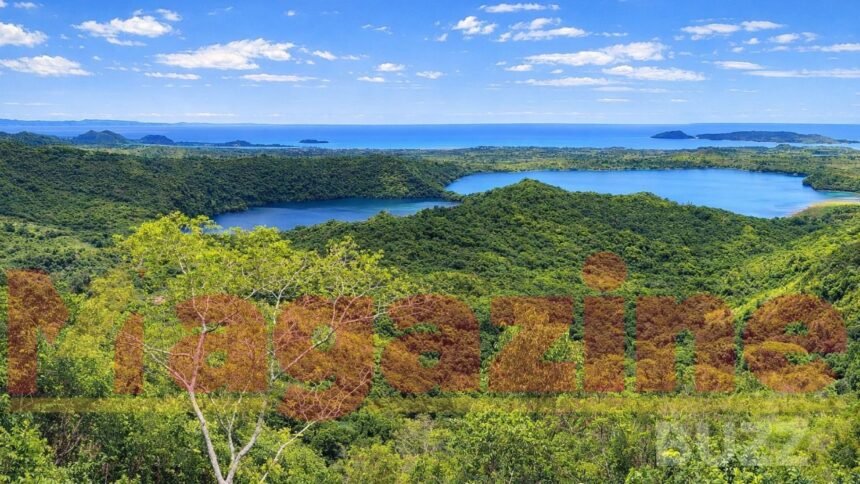
Madagascar National Parks attract travelers who want to experience rare wildlife, beautiful landscapes, and exciting outdoor adventures. Located off the southeastern coast of Africa, Madagascar is an island country famous for its unusual animals, ancient forests, and distinctive plant life. Its long geographic isolation allowed many species to develop independently, making the island one of the most interesting destinations for nature lovers.
Exploring Madagascar requires thoughtful planning because its parks are spread across different regions with varying climates, road conditions, and facilities. Some destinations are ideal for spotting lemurs, while others offer mountain hiking, birdwatching, and remarkable rock formations. Understanding the main attractions and travel conditions can help visitors plan a memorable journey through Madagascar’s natural wonders.
Exploring the Unique Beauty of Madagascar National Parks
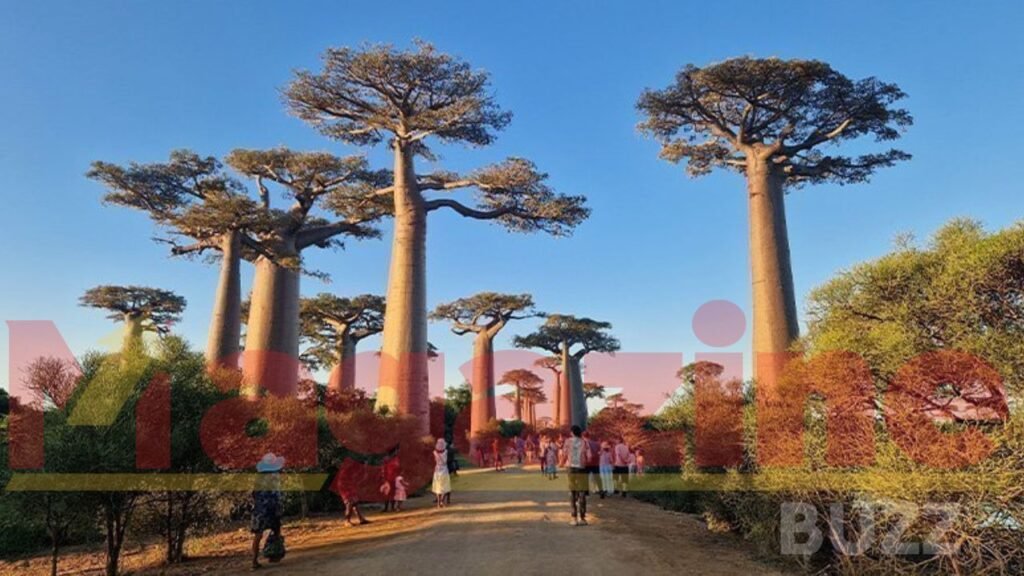
Madagascar national parks protect a wide range of natural habitats, including tropical rainforests, dry woodlands, mountain landscapes, wetlands, and coastal environments. Each area supports different plants and animals, creating a variety of experiences for visitors. The island is especially famous for its lemurs, colorful chameleons, unusual frogs, and baobab trees.
These protected areas also provide opportunities for hiking, photography, wildlife observation, and educational nature tours. Some parks have accessible trails suitable for relaxed walks, while others require more physical effort and longer journeys. Visitors can discover a different side of Madagascar in every region, making national parks an important part of the island’s tourism experience.
Discovering Wildlife in Madagascar National Parks
Wildlife is one of the main attractions of Madagascar’s protected areas. Lemurs are among the island’s most recognizable animals, with different species living in forests, woodlands, and other natural habitats. Ring-tailed lemurs, sifakas, mouse lemurs, and indris each have distinctive appearances and behaviors that make wildlife observation exciting.
The island also supports many unusual reptiles and birds. Chameleons are particularly popular among photographers because of their distinctive eyes, gripping feet, and varied colors. Some animals are active during daylight, while others are easier to observe during guided nighttime walks. Visitors should keep a respectful distance from wildlife and avoid feeding or touching animals during their excursions.
Visiting Andasibe-Mantadia National Park
Andasibe-Mantadia National Park is a popular destination for travelers interested in Madagascar’s rainforest wildlife. Located east of Antananarivo, the park protects humid forest habitats filled with birds, reptiles, amphibians, and several lemur species. One of its most famous residents is the indri, a large lemur known for its loud calls that can travel through the forest.
Guided walks help visitors identify animals, learn about native plants, and understand how rainforest ecosystems function. Early morning excursions are especially appealing for travelers hoping to hear indris calling among the trees. The surrounding area also offers guesthouses and other accommodation options, making it a convenient stop on a Madagascar itinerary.
Exploring Andringitra National Park
Andringitra National Park offers dramatic mountain scenery, granite peaks, deep valleys, and challenging hiking opportunities. Located in southern Madagascar, the park appeals to visitors who enjoy remote landscapes and outdoor exploration. Its changing elevations create different habitats and impressive views across the surrounding countryside.
Hiking routes vary in difficulty, so travelers should choose trails that match their fitness and experience. Longer treks may require careful preparation, appropriate equipment, and guidance from knowledgeable local professionals. Weather can change quickly in mountainous areas, making sturdy footwear, warm layers, rain protection, and sufficient drinking water essential for a comfortable visit.
Discovering Isalo National Park
Isalo National Park is known for its sandstone formations, rocky canyons, open grasslands, and natural pools. Its unusual landscape provides a striking contrast to Madagascar’s dense rainforests. Erosion has shaped the surrounding rocks over long periods, creating scenic valleys and distinctive formations that attract hikers and photographers.
Visitors can explore walking routes, enjoy panoramic viewpoints, and discover natural pools with the assistance of local guides. Some trails involve steep sections and exposed terrain, so sun protection and suitable walking shoes are important. The nearby town of Ranohira provides a convenient base for arranging excursions and finding accommodation.
Exploring Ankarafantsika National Park
Ankarafantsika National Park protects dry deciduous forests in northwestern Madagascar. The park is particularly appealing to birdwatchers because its habitats support a variety of native and endemic bird species. Lemurs, chameleons, and other wildlife also live in the surrounding forests, creating opportunities for nature photography and guided exploration.
Walking trails pass through woodland and near scenic lakes, allowing visitors to experience a different environment from Madagascar’s eastern rainforests. Local guides can help identify bird calls and locate animals that might otherwise remain hidden among the trees. Travelers interested in wildlife should bring binoculars, comfortable footwear, and a camera suitable for photographing animals at a distance.
Discovering Tsingy de Bemaraha National Park
Tsingy de Bemaraha National Park is famous for its extraordinary limestone formations. Sharp stone pinnacles, narrow passages, deep crevices, and natural rock bridges create a landscape unlike most other national parks. These formations developed through long periods of erosion and now provide habitats for plants and animals adapted to the rocky environment.
Exploring the park can involve challenging trails, suspension bridges, and sections that require special care. Visitors should follow their guide’s instructions and select routes appropriate for their abilities. Access can also depend on seasonal weather, so travelers should confirm road conditions and park opening arrangements before making the journey.
Best Time to Visit Madagascar National Parks
The dry season, generally from April or May through October, is often a convenient period for exploring many Madagascar national parks. Roads may be easier to travel, and hiking conditions are frequently more comfortable. September and October can be particularly attractive for travelers interested in wildlife observation and outdoor activities.
The rainy season usually runs from November through March or April, depending on the region. During this period, forests become greener, but heavy rain can make roads difficult and affect access to remote parks. Conditions vary across the island, so visitors should check local weather forecasts and seasonal access information before finalizing their plans.
Read This Also:
Travel Tips, Fees, and Local Guides
Planning transportation and understanding park requirements can make a visit to Madagascar much easier. Travelers commonly use private vehicles, organized tours, or shared taxis to reach different regions. Because some roads are rough and journeys can take longer than expected, allowing extra travel time is a sensible precaution.
Entrance tickets, guide services, and activity costs vary between parks. Visitors should check current fees and access rules before arriving, and arrange an authorized local guide wherever required. Carrying sufficient local currency is helpful because card payments may not be available in remote areas.
Accommodation ranges from simple guesthouses to comfortable lodges near popular parks. Travelers should pack suitable walking shoes, lightweight clothing, rain protection, insect repellent, sunscreen, drinking water, and a basic first-aid kit. Respecting local customs and following park regulations also helps visitors enjoy their trip responsibly.
Frequently Asked Questions About Madagascar National Parks
1. What makes Madagascar national parks special?
Madagascar national parks protect rare wildlife, unusual plants, and distinctive natural landscapes. Many species found on the island are endemic, meaning they naturally occur nowhere else in the world.
2. Which national parks are best for wildlife viewing?
Andasibe-Mantadia is popular for rainforest wildlife and indris, while Ankarafantsika attracts birdwatchers. Isalo is known for hiking and sandstone scenery, and Tsingy de Bemaraha offers extraordinary limestone formations.
3. Do visitors need a guide in Madagascar national parks?
Many parks require visitors to explore with an authorized guide. Travelers should confirm the rules for their chosen destination and arrange guided excursions through the appropriate park office.
4. What is the best time to visit Madagascar national parks?
The dry season, generally from April or May to October, suits many itineraries. However, the best period depends on regional weather, wildlife interests, and seasonal access conditions.
5. What should travelers pack for a national park visit?
Useful items include comfortable hiking shoes, lightweight clothing, a waterproof jacket, insect repellent, sunscreen, drinking water, and a camera. Mountain hikes may also require warmer clothing and additional equipment.
Conclusion
Madagascar National Parks provide an exceptional combination of wildlife, natural beauty, and outdoor adventure. From the rainforests of Andasibe-Mantadia to the mountain trails of Andringitra and the unusual rock formations of Tsingy de Bemaraha, every destination offers a different experience. These protected areas allow visitors to appreciate the island’s distinctive ecosystems while learning about the importance of conservation.
Careful planning, suitable equipment, and respect for local guidance can make a journey more enjoyable. By choosing parks that match their interests and preparing for regional travel conditions, visitors can experience Madagascar’s remarkable natural heritage in a responsible way.
Disclaimer: Park access, fees, weather, and travel conditions may change. Confirm current arrangements with park authorities before departure.
VISIT MORE: MAGAZINEBUZZ